


AI lab space in Oakland is getting easier to find, but the right room for a compute-heavy startup is about much more than square footage. Teams training models, running inference or testing hardware need dependable power, cooling, fiber and a floor plan that can grow with them, plus ordinary office space for the people doing the work. The STAK Accelerator brings those pieces together across three Uptown Oakland buildings. Here is what to look for before you sign anything, and how the STAK campus approaches it.
Why AI Startups Outgrow Ordinary Offices

Most offices are built for laptops, not racks. Once a startup starts running its own GPUs or keeping sensitive data on premises, the building has to deliver steady electrical capacity, heat removal and secure network paths that a typical coworking floor was never designed for. Cloud compute covers a lot of early work, but many teams reach a point where owning some hardware is cheaper or gives them more control over latency and data. Knowing that point is coming is the reason to choose AI lab space in Oakland that can expand into it, rather than moving twice. If you are still sizing your next step, our guide to workspace strategy for startups is a useful companion.
Power and Cooling in AI Lab Space
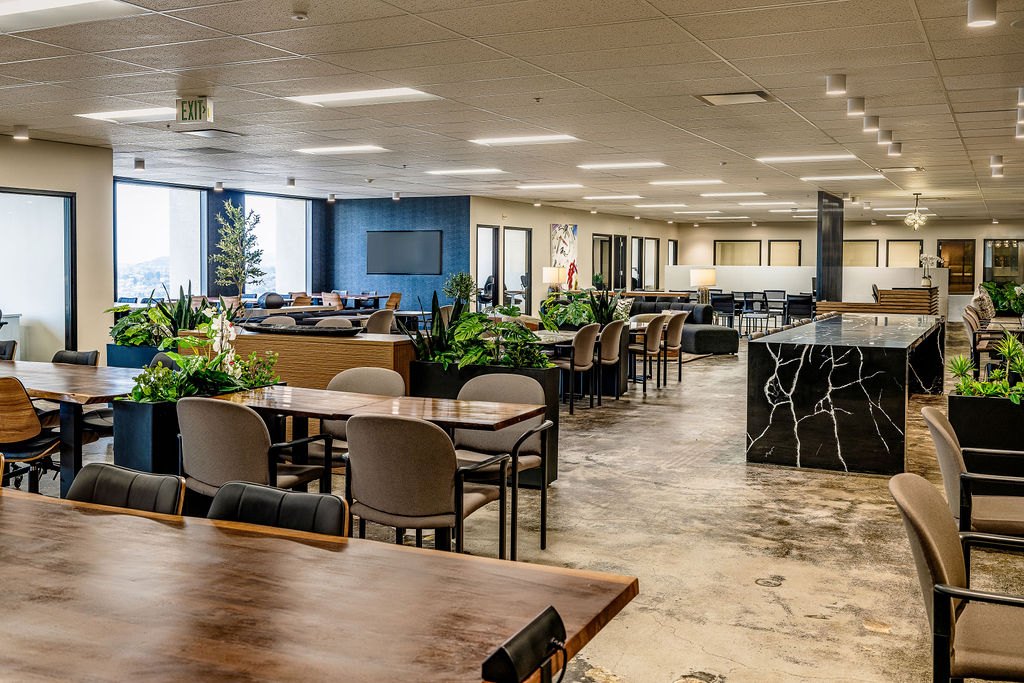
Ask about electrical capacity before you ask about rent. Dense compute draws far more power per square foot than desks do, and every watt becomes heat that has to leave the room. Find out how much capacity is available on the floor today, how it can be expanded and who pays for upgrades. STAK’s 415 20th building was designed for AI data labs and high-density computing, with heavy power capacity and expandable power grids, which is the kind of headroom that keeps a growing lab from stalling. The STAK Accelerator page describes the building in more detail.
Fiber and Network Access for AI Lab Space
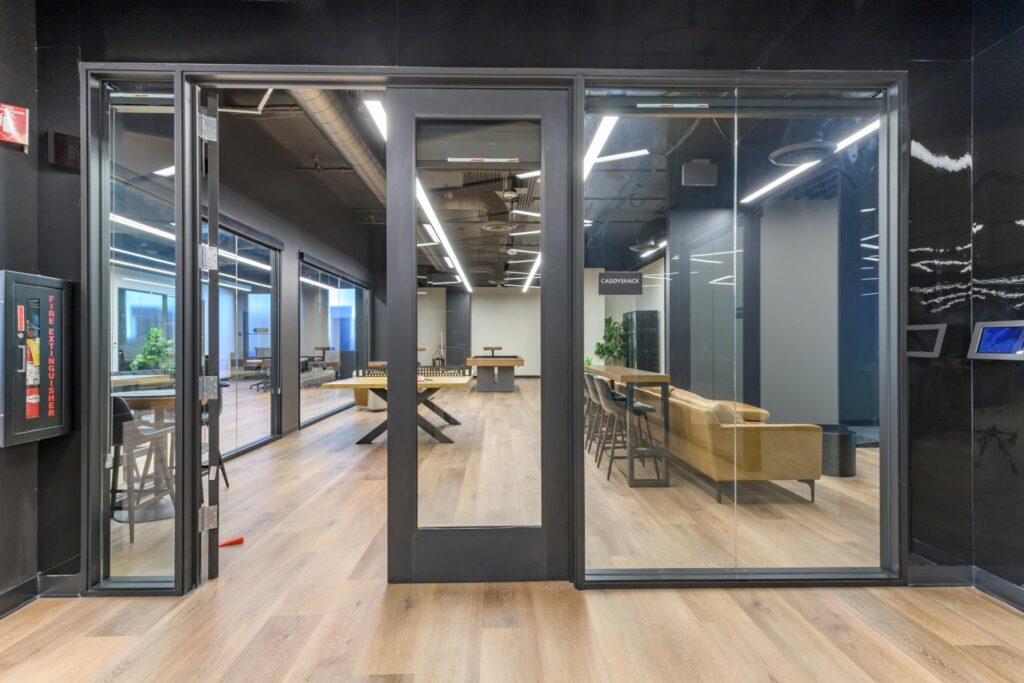
Models are only as fast as the data feeding them. Dedicated fiber matters for moving large datasets, syncing with cloud providers and keeping inference responsive for customers. When you tour AI lab space in Oakland, ask whether fiber is already in the building, whether it serves your floor directly and whether you can bring your own carrier. At 415 20th, dedicated fiber feeds and pre-installed server racks are part of the build, so teams can plug in instead of waiting on a construction schedule. Founders planning on-premises work should also read up on responsible AI practices, since data handling questions tend to arrive with the hardware.
AI Lab Space That Grows With the Team
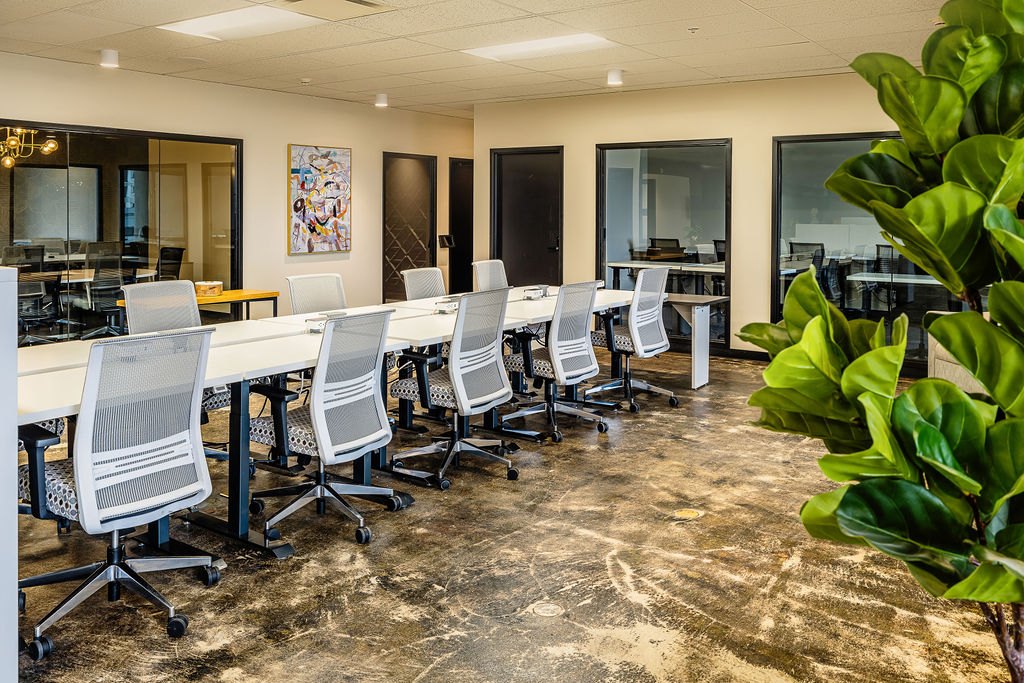
Lab needs rarely grow in a straight line. A team may add a second rack in three months, then a hardware bench, then five engineers. Flexible floor plates let you expand in place instead of splitting the company across buildings, and a modest footprint at the start keeps you from paying for space you are not using yet. STAK pairs that flexibility with dedicated startup support and 24/7 member access, which matters when a training run finishes at 2 a.m. If you are mapping how much room the next year will take, the startup office space in Oakland guide walks through the trade-offs.
A Real Building to Test In
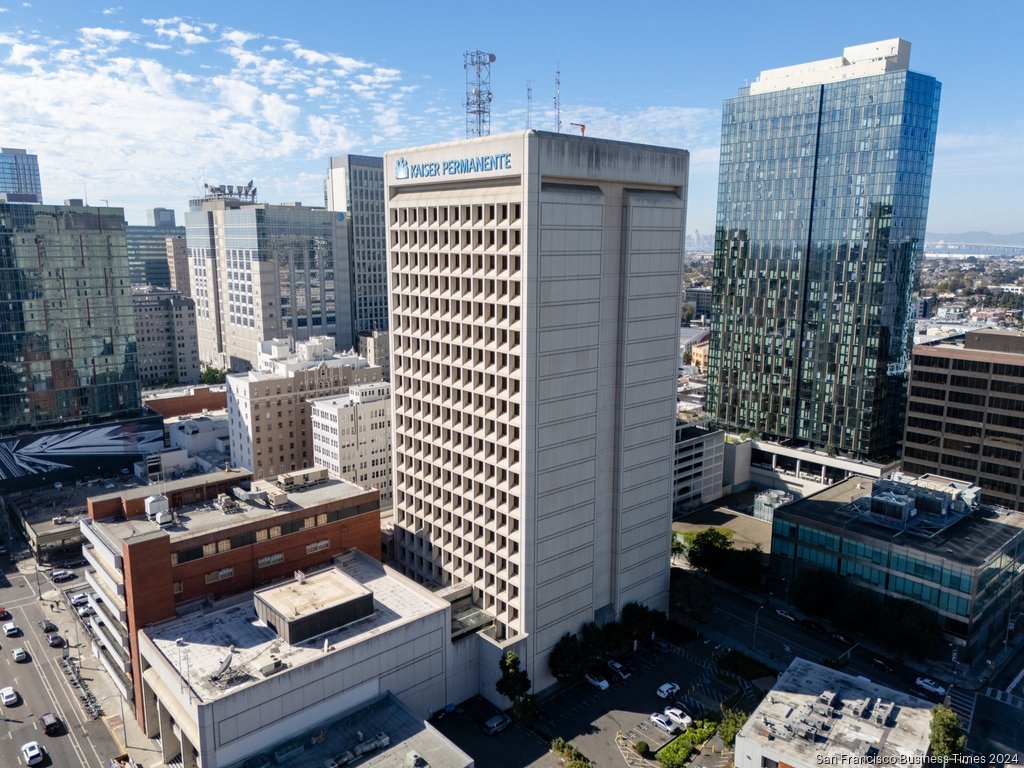
For AI teams building for real estate, the building itself can be the lab. STAK describes its campus as an active testing environment for facility automation and smart-building systems, with a sandbox that includes the site app, intelligent building systems, water leak detection and CCTV. That gives proptech founders real data and real users instead of a simulation. The accelerator’s pilot tier offers implementation rights across a 1.2 million square foot portfolio, a rare path from prototype to deployment. Our post on how a real estate portfolio becomes a startup testbed explains how those pilots are structured.
Office Space Next to the Lab
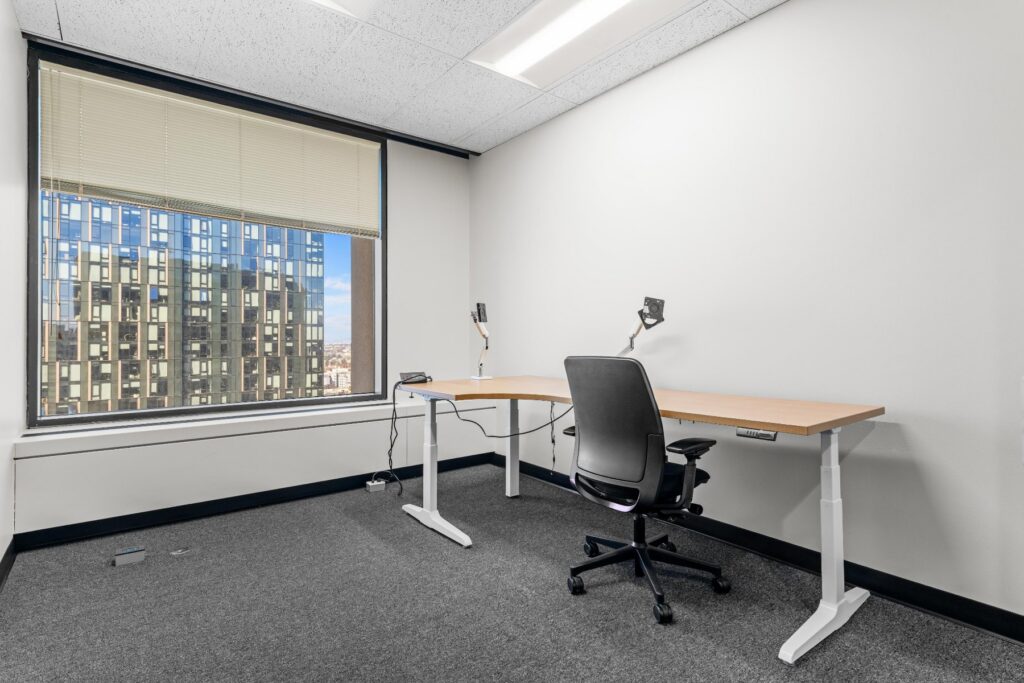
Engineers still need somewhere to think, meet and take calls. The best AI lab space in Oakland keeps the lab close to quiet offices, meeting rooms and a kitchen, so the team is not running between addresses. On the STAK campus, private offices and coworking sit in 1920 Broadway and 1950 Franklin, and 1950 Franklin adds a 6,000 square foot fitness center and a cafeteria. Founders who want a desk before they need a full suite can start with a STAK Space membership and move into a private office later.
Location, Transit and Talent
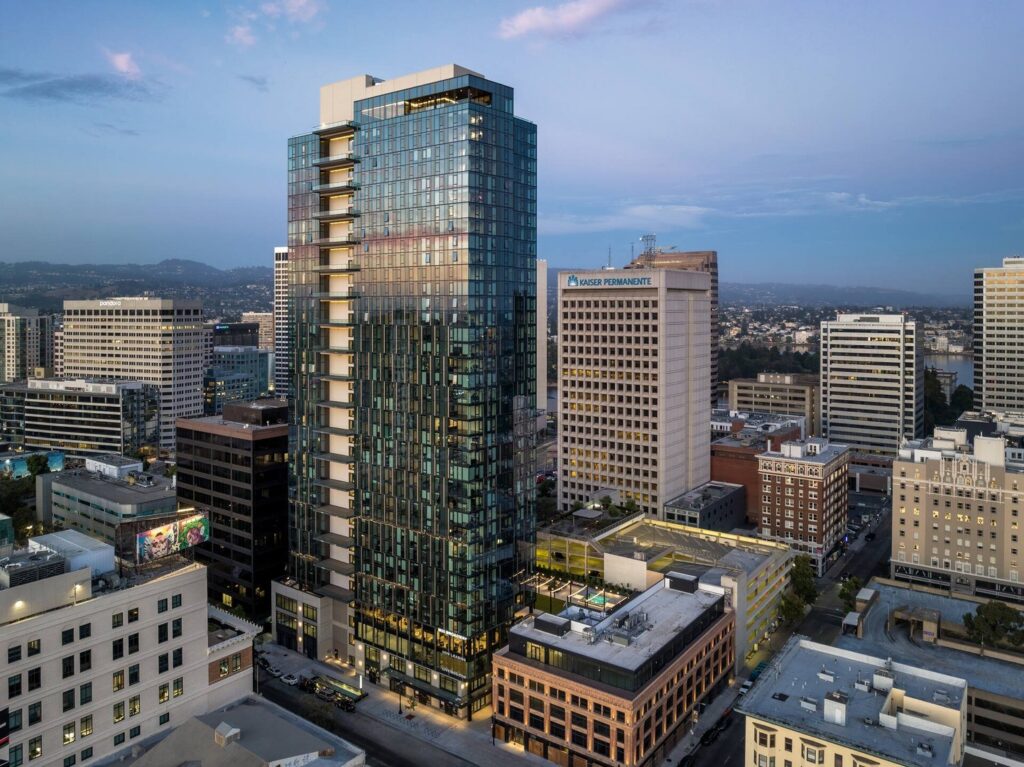
Hiring is easier when the commute is easy. The STAK campus sits in Uptown Oakland next to the 19th St. Oakland BART station, roughly 15 minutes from San Francisco, with a controlled-access parking garage at 410 19th Street for people who drive. That puts the lab within reach of engineers across the East Bay and the city, and close to investors who would rather take a short train ride than a long drive. For a broader look at why founders are choosing this part of the Bay, read why Oakland is emerging as a tech hub.
Getting Started at STAK
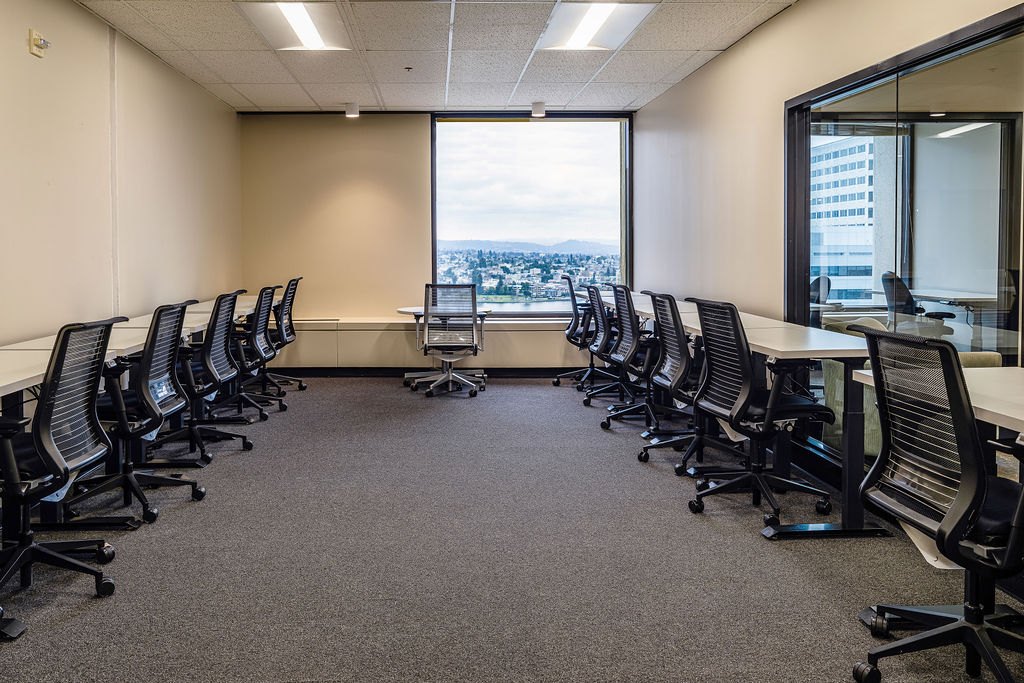
The STAK Accelerator is organized in three tiers: workspace and labs, accelerator support for early-stage pilots, and venture partnerships for growth-stage companies. Most AI teams start by touring the space, sharing what they are building and mapping power, network and seating needs against what is available. If you are early and want mentors, legal and accounting help and investor access alongside your workspace, the STAK Founder Residency is built for that stage. Either way, the first conversation is about your roadmap, not a sales pitch.
Frequently Asked Questions
What should I ask when touring AI lab space in Oakland?
Ask how much electrical capacity is available on your floor and how it expands, how heat is removed, whether dedicated fiber reaches your space, what after-hours access looks like and how easily you can add room as the team grows.
Does STAK have space built for AI and data workloads?
Yes. STAK’s 415 20th building in Uptown Oakland was designed for AI data labs and high-density computing, with pre-installed server racks, heavy power capacity and dedicated fiber feeds. Details are on the STAK Accelerator page.
Can an AI startup pitch STAK Ventures?
Yes. STAK Ventures reviews decks from startups that fit its focus areas, including proptech and smart building systems. You can submit your deck online, and the team reviews new decks within about two weeks.
Ready to see the space? Submit your deck to start a conversation with STAK Ventures, or explore the STAK Accelerator to see how the Uptown Oakland campus supports AI teams from first rack to full floor.
