

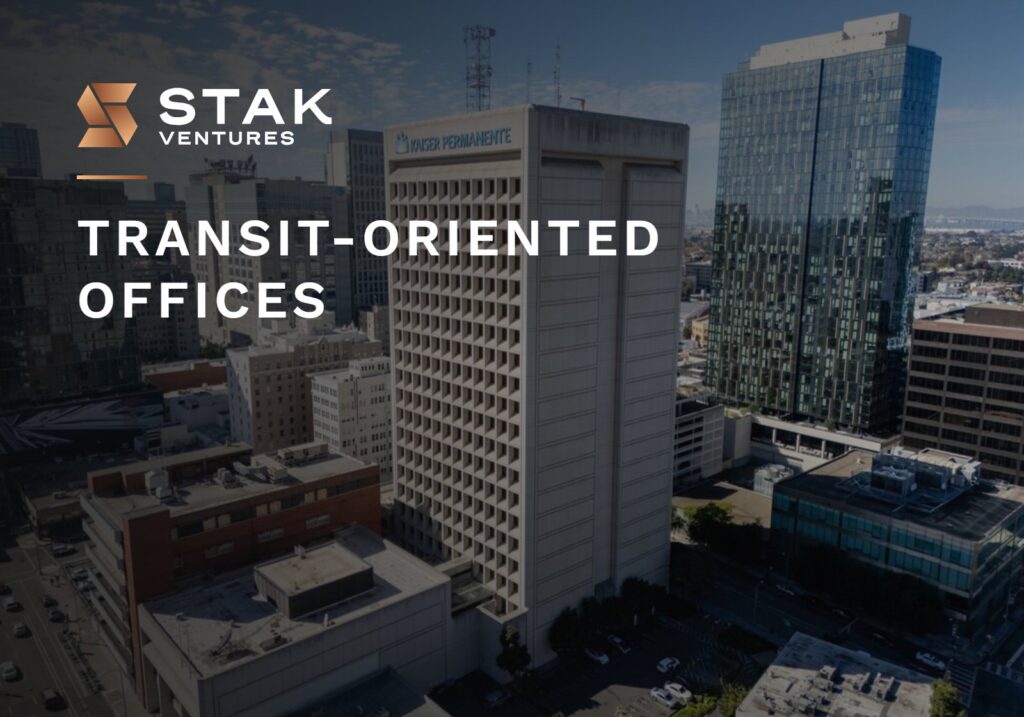
A startup makes its best offer to a senior engineer. The salary works and the mission lands. Then the candidate maps the commute, sees two transfers and a long drive, and declines. A transit-oriented office would have kept that candidate in the conversation.
A transit-oriented office sits on or near a major transit station, so employees, candidates, customers and investors can reach it without driving. For startups, that widens the hiring radius, simplifies meetings and supports in-person collaboration. As a result, location becomes a quiet competitive advantage.
Key takeaways
- Transit access widens the talent pool a startup can reach.
- Investors and customers visit more often when the trip is easy.
- A transit-oriented office supports in-person teamwork without long commutes.
- 1900 Broadway sits on the 19th St./Oakland BART station.
What makes a transit-oriented office
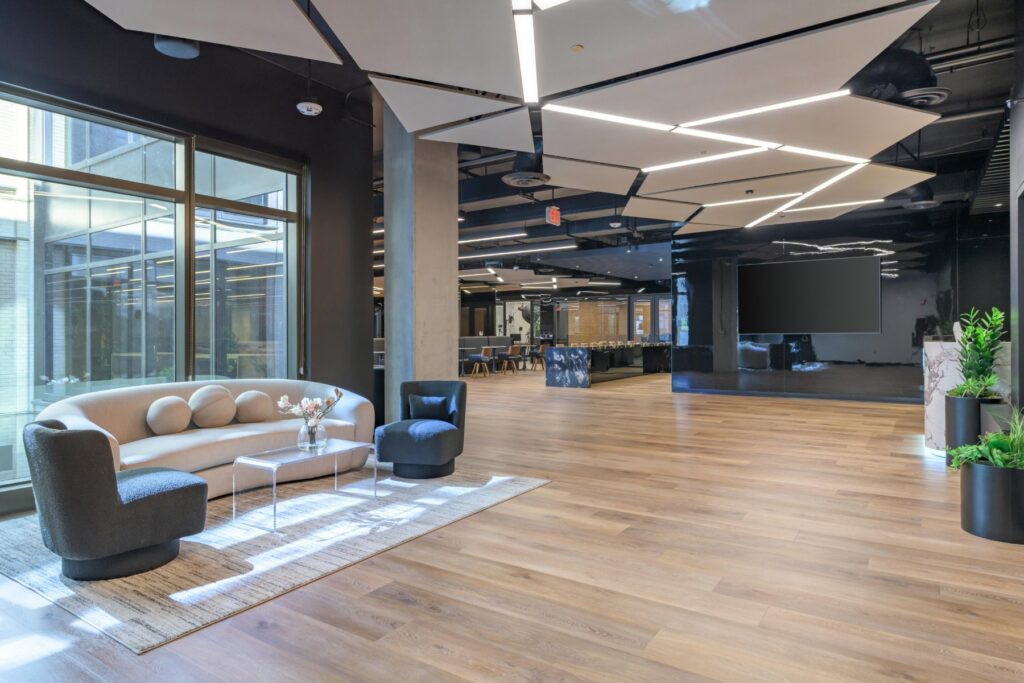
A transit-oriented office is defined by direct access to frequent, regional transit. Being near a bus stop is helpful. However, sitting on a rail station that connects multiple cities changes how a team works and hires.
Public agencies plan for this. BART describes its approach to transit-oriented development, which encourages homes, offices and services near stations. Therefore, a transit-oriented office fits a broader regional pattern rather than a short-term trend.
The 19th St./Oakland BART station lists its address as 1900 Broadway, in Uptown near the Paramount Theatre. As a result, offices in that building share a front door with regional rail.
A wider hiring radius
Transit widens your hiring radius because candidates measure jobs by total commute, not distance. A one-seat rail ride from many neighborhoods makes more roles realistic. In addition, candidates who do not drive gain access to opportunities they might otherwise skip.
That reach matters most for small teams. For example, an early startup cannot afford to lose a strong hire over logistics. Meanwhile, a transit-oriented office lets founders recruit across the East Bay and beyond.
Commute quality also affects retention. When the trip is predictable, people come in more often and stay longer. Consequently, the office becomes a place teams want to be rather than a place they must reach.
Transit also supports a more diverse team. People with different budgets, households and schedules can all reach the same front door. In addition, residents of 1900 Broadway can live upstairs from their work.
Easier investor and customer visits
Investors and customers visit more often when the trip is simple and predictable. A partner can schedule a same-day meeting between other stops. Similarly, a customer can tour your product in person without planning a long drive.
Those visits build trust. For instance, an investor who sees a full team at work learns more than a video call can show. When you are ready to share that story, you can submit your pitch deck to STAK Ventures.
Events benefit too. The 2nd floor event center at 1950 Franklin sits a short walk from the station. Therefore, founders can host demos, panels and community events that guests can actually reach.
Same-day travel helps fundraising too. A founder can take a morning meeting in San Francisco and be back at the desk by lunch. Meanwhile, visiting partners can stop in without losing an afternoon to traffic.
Want a base on top of BART with capital and integrations nearby? The STAK Accelerator offers both across three Uptown hubs.
Why 1900 Broadway is a transit-oriented office
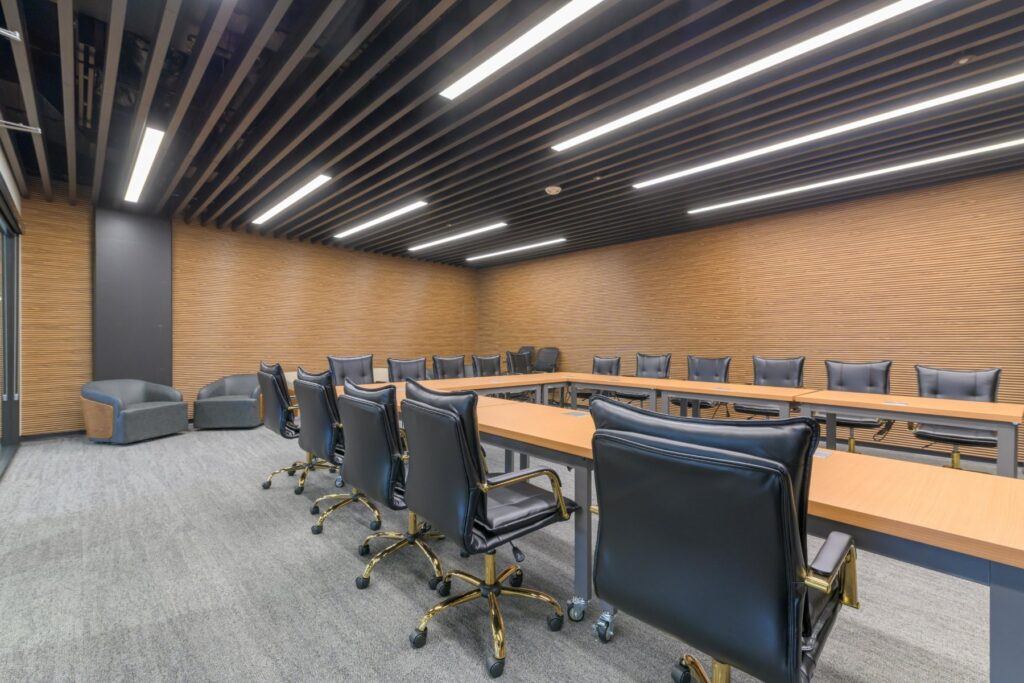
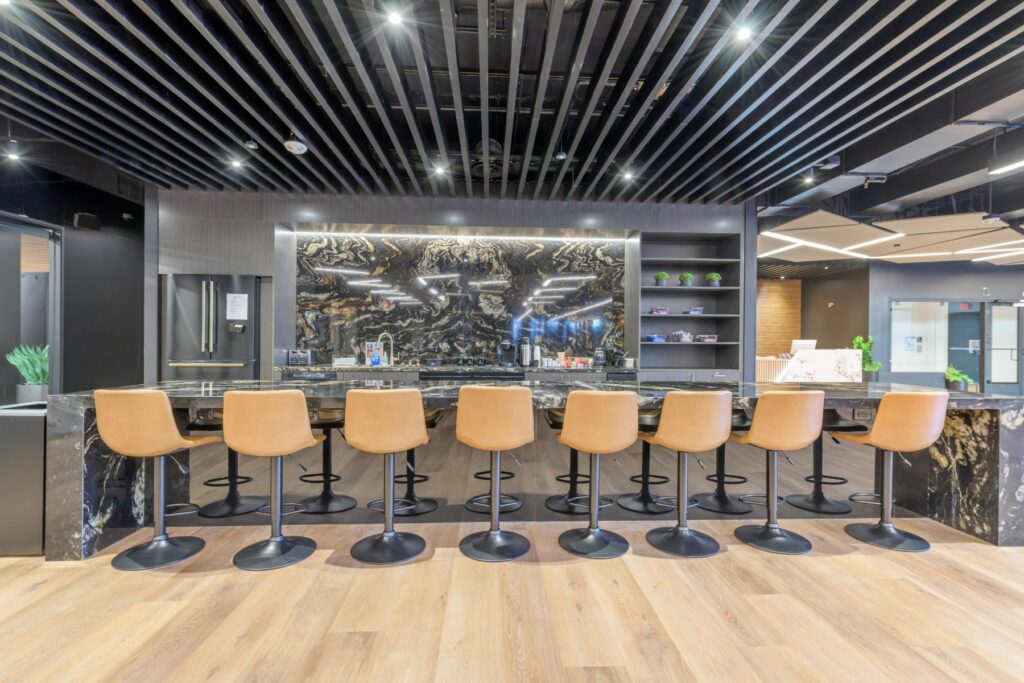
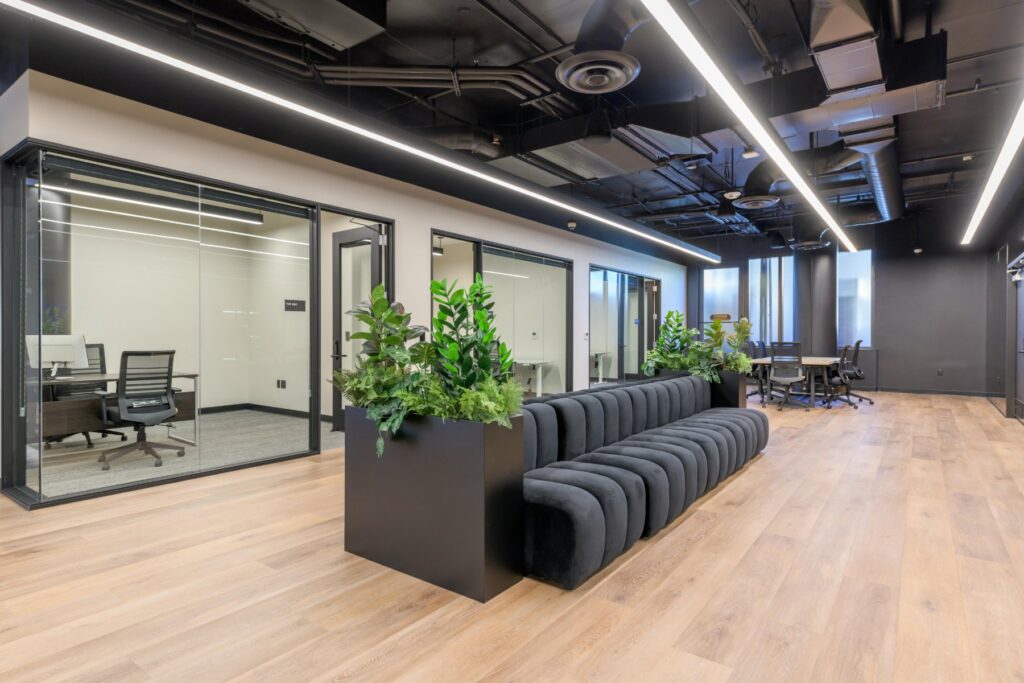
1900 Broadway combines direct BART access with workspace, residences and amenities in one campus. Over 50,000 square feet of STAK Space coworking fills floors 2 and 3, with private offices and dedicated desks. In addition, residents of the building receive discounted coworking access.
The campus extends beyond one tower. For example, the STAK Accelerator operates three Uptown Oakland hubs at 1900 Broadway, 1950 Franklin and 415 20th. Founders there gain access to capital, technology integrations and premium workspaces.
Mobility rounds out the picture. The STAK Go pillar includes parking, car share, EV fleet access and robotaxi access alongside BART. As a result, a transit-oriented office here supports every kind of commute.
Choosing the right office for your stage
The right office matches your current headcount while leaving room to grow. A solo founder may start at a dedicated desk. Then, as the team grows, a private office keeps conversations focused and secure.
Plan for meeting space as well. A team that pitches, interviews and hosts customers needs rooms that are easy to book. For example, the STAK app at 1900 Broadway connects coworking and amenity bookings in one place.
Flexibility matters because early hiring plans change. Therefore, choose a provider that lets you move from coworking to a private office within the same building. Finally, weigh transit access as heavily as price, since commute affects hiring, visits and culture every day.
Ask about commute options for each employee before signing. A short survey of where people live will show whether a transit-oriented office actually serves your team. As a result, the decision rests on data rather than guesswork.
Next step: build where people can reach you
A transit-oriented office gives a startup a wider talent pool, easier investor visits and a stronger in-person culture. The STAK Accelerator pairs that location advantage with capital, technology integrations and premium workspaces in Uptown Oakland. Therefore, it is a strong base for teams ready to grow.
Frequently asked questions
Is a transit-oriented office more expensive?
Pricing varies by building and space type. Compare total value, including hiring reach, visit frequency and team attendance, rather than rent alone.
Can a remote-first startup benefit from a transit-oriented office?
Yes. A well-connected office makes occasional team days, client meetings and events far easier to schedule.
What workspace options does STAK Space offer?
STAK Space offers private offices and dedicated desks, with over 50,000 square feet of coworking on floors 2 and 3 of 1900 Broadway.
How do I know if my startup fits the STAK Accelerator?
Startups in Real Estate Technology, Mobility, Smart Building Systems, Community Platforms, Sustainable Living Technologies or Full-Stack Ecosystem Enablers align with STAK Ventures focus areas. Review the program to see whether it matches your stage and goals.
